0101Jakarta, 2018
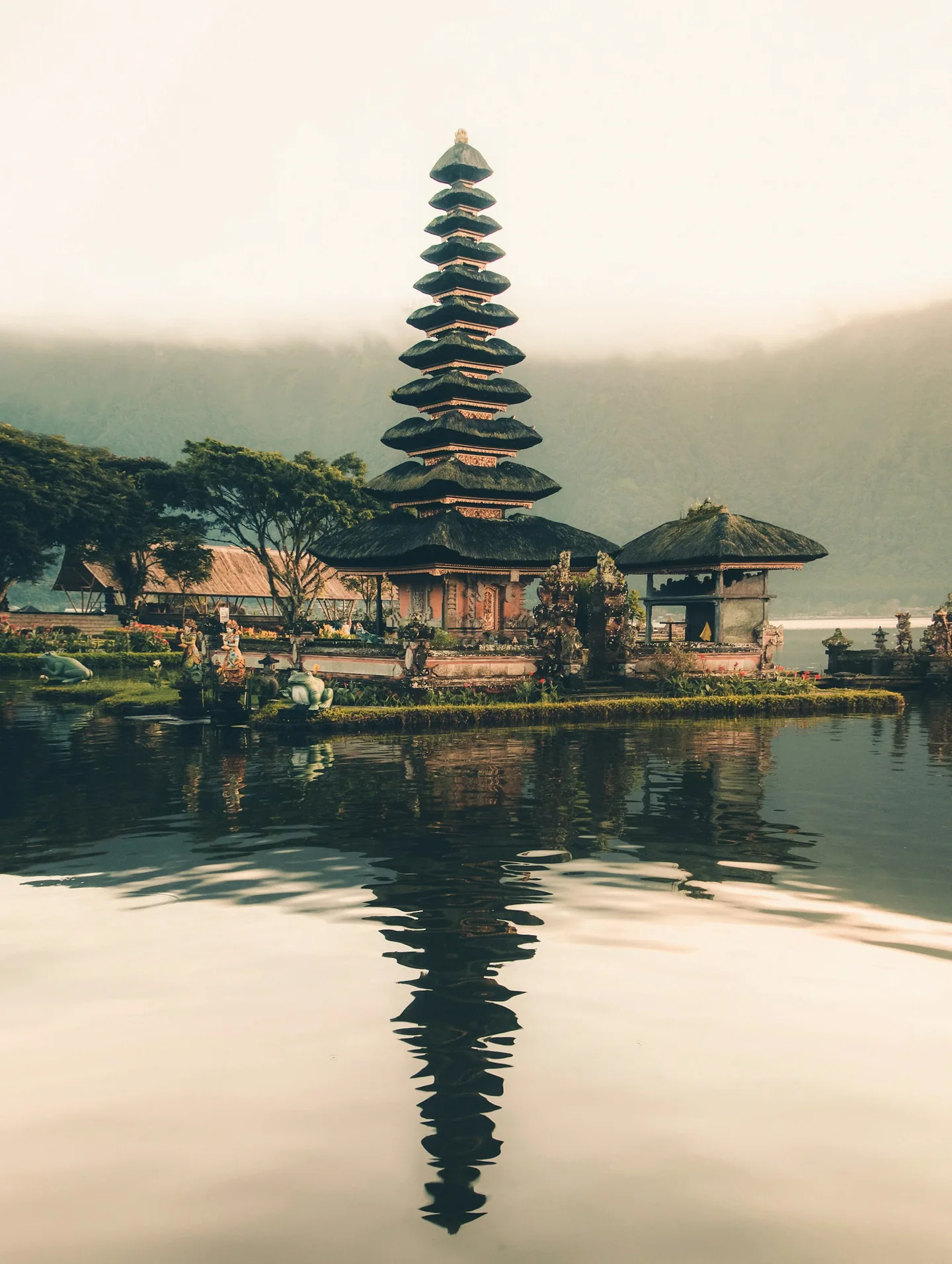
TopPay began in Jakarta in 2018, in a room small enough that everyone heard the same complaint. We had one corridor and one conviction: pay people the way their own country already pays. A local merchant was losing most of its checkout at the card form — not because customers would not buy, but because they had never been asked to pay the way they actually pay. In Indonesia that meant QRIS, bank transfer, and a virtual account number the buyer could take to their own banking app.
Thirteen markets later, we still build exactly that way.
02One corridor
So we built that one corridor properly. Issue the QR, expire it on time, match a callback that arrives out of order, settle the same day. It was unglamorous work, and it doubled that merchant’s completed orders. Indonesia gave us the pattern we have followed ever since: never invent a payment method and hope a country adopts it — connect to the rail that already has the users. Thirteen markets later, we still build exactly that way.
03Asia, market by market
We grew outward slowly, one market at a time, because each one has to be earned. The Philippines on GCash and Maya, Thailand on PromptPay, Vietnam on ZaloPay, MoMo, and VTPay. Then wider Asia — India on UPI, Bangladesh on bKash and Nagad, Pakistan on Easypaisa and JazzCash. Every market repeated the Jakarta lesson in a new language: a global card form is not a local checkout.
04The crossing
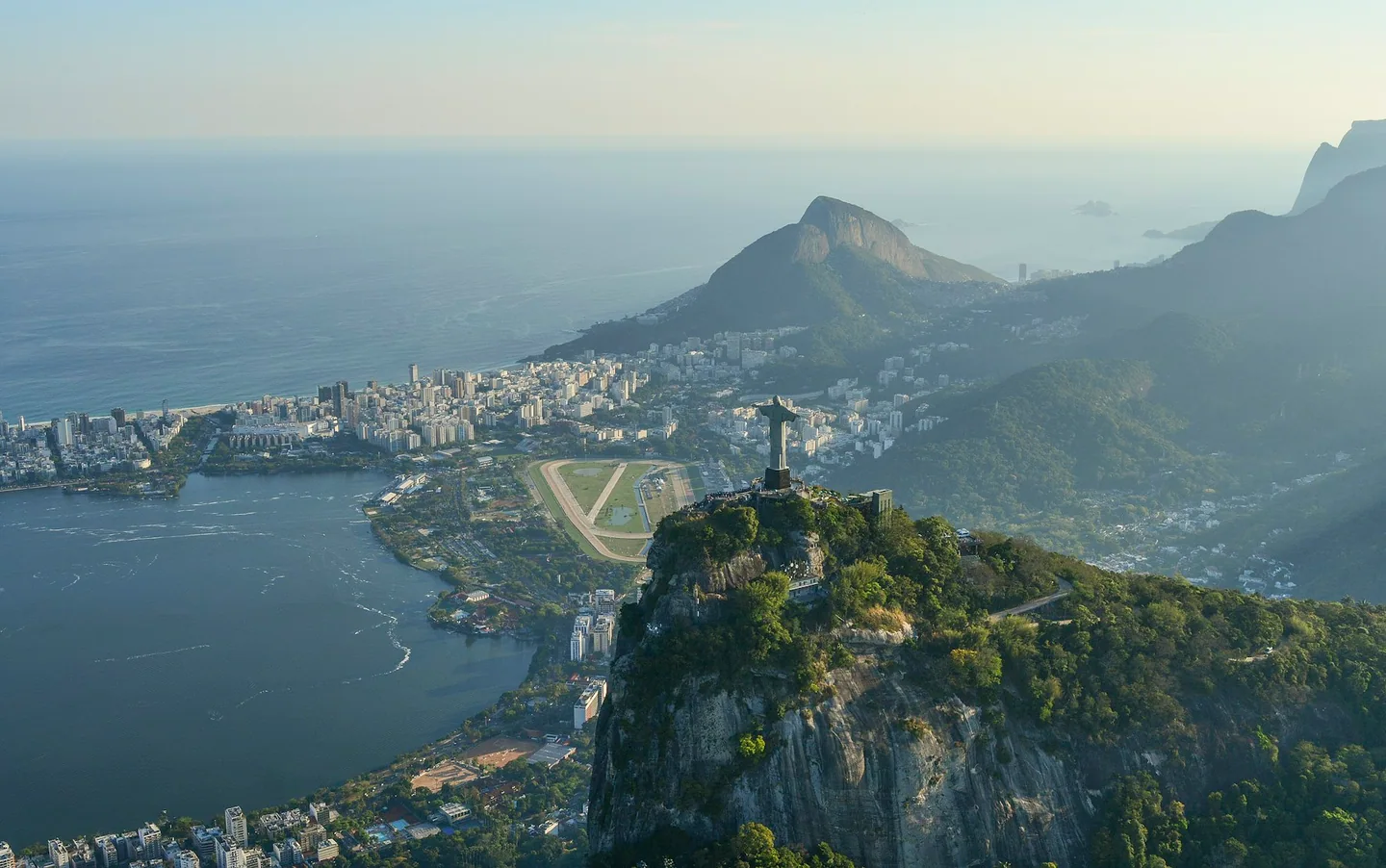
Latin America was the hardest crossing and the one that proved the model travelled. PIX in Brazil, SPEI, CoDi and OXXO in Mexico, PSE, Nequi, Daviplata and Bre-B in Colombia, Yape and Plin in Peru, QR Simple in Bolivia. Different continent, different regulators, same discipline — learn the rail before you sell it. Africa came next, starting with Nigeria on OPay, PalmPay, bank transfer, and Bank VA.
05Not finished
We are not finished, and we are honest about what is still hard. The work ahead is deeper coverage inside the countries we already serve, cleaner payouts, faster settlement, and support from people who have sat in the corridor themselves rather than a generic ticket queue. Every market we open, we open the way we opened Indonesia — properly, or not yet.